The music
The Four Seasons, explained
What the four concertos are, where the sonnets come in and how Vivaldi paints the weather with a violin.
Book the concert and apericena ↗Quick answer
Antonio Vivaldi’s Four Seasons are a set of four violin concertos that open his Op. 8, a volume printed in Amsterdam in 1725. A sonnet goes with each, and the music counts as a story told without words. The English Wikipedia lists the music as programme music: it tells a story without words, from birdsong to a hunt to cracking ice.
A set inside a set
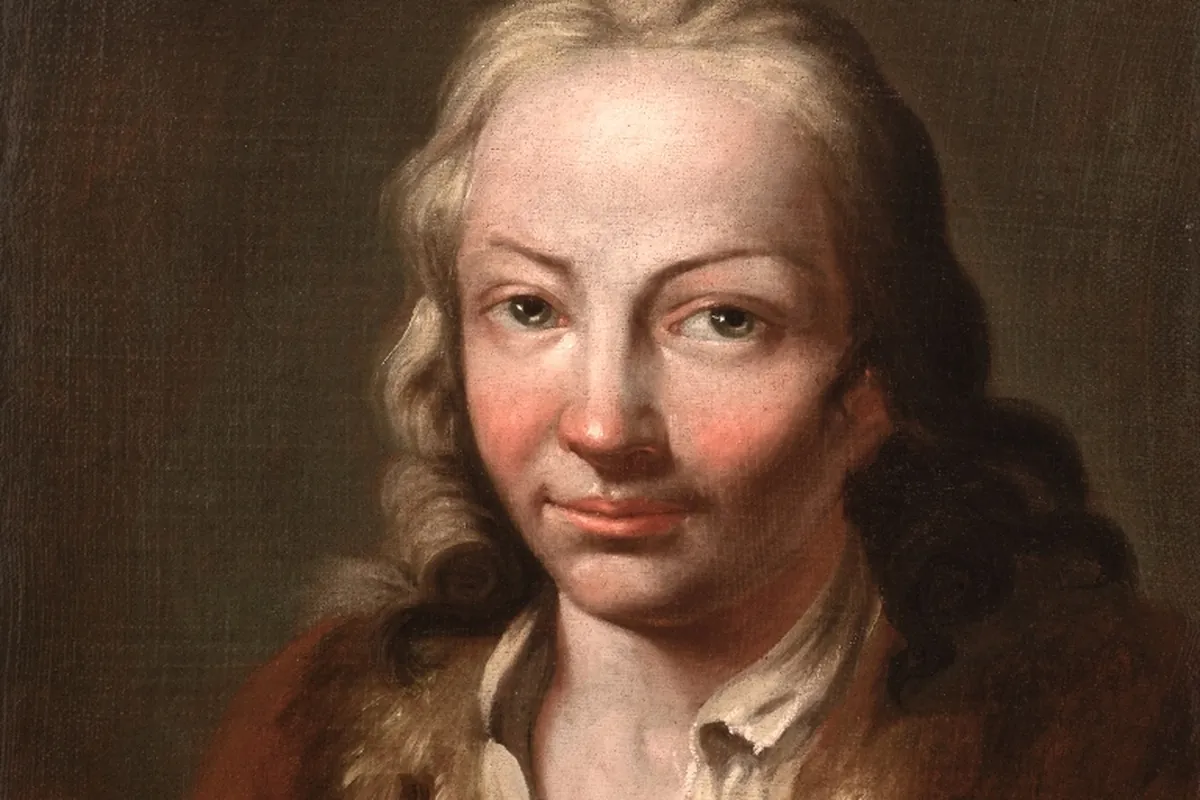
The printer Michel-Charles Le Cène brought out the four concertos in 1725 with eight others, the English Wikipedia says, in a volume called Il cimento dell’armonia e dell’inventione, or The Contest Between Harmony and Invention. Spring, Summer, Autumn and Winter lead the twelve. Vivaldi, born in Venice in 1678, was a violin virtuoso and a priest nicknamed the Red Priest.
Three movements each
Every concerto follows the fast, slow, fast order. The English Wikipedia gives Spring as E major, Summer as G minor, Autumn as F major and Winter as F minor, with the whole set lasting about forty minutes. That is the musical skeleton, but what people remember is the picture each movement paints. It is a compact, easy form to follow, which is part of why the set is so often a listener’s first Baroque concert.
The sonnets
The music went out with sonnets, whose author the English Wikipedia says is unknown, though Vivaldi may have written them himself. Every sonnet splits into three parts, one per movement, so a listener can follow the tale. The score also carries notes such as “the barking dog”. The English Wikipedia’s article on programme music cites the set, in which each concerto is tied to an Italian sonnet.
What programme music means
Programme music, the English Wikipedia says, tries to render an extra-musical story or description in sound. The term was coined by Franz Liszt in the 19th century, though such works existed for centuries before him. It differs from opera because the story reaches you through the instruments, not through sung words. In practice that means the sonnets and the sound agree: when the poem mentions a storm, the strings rush, and when it mentions a barking dog, the violas bark.
Spring and Summer
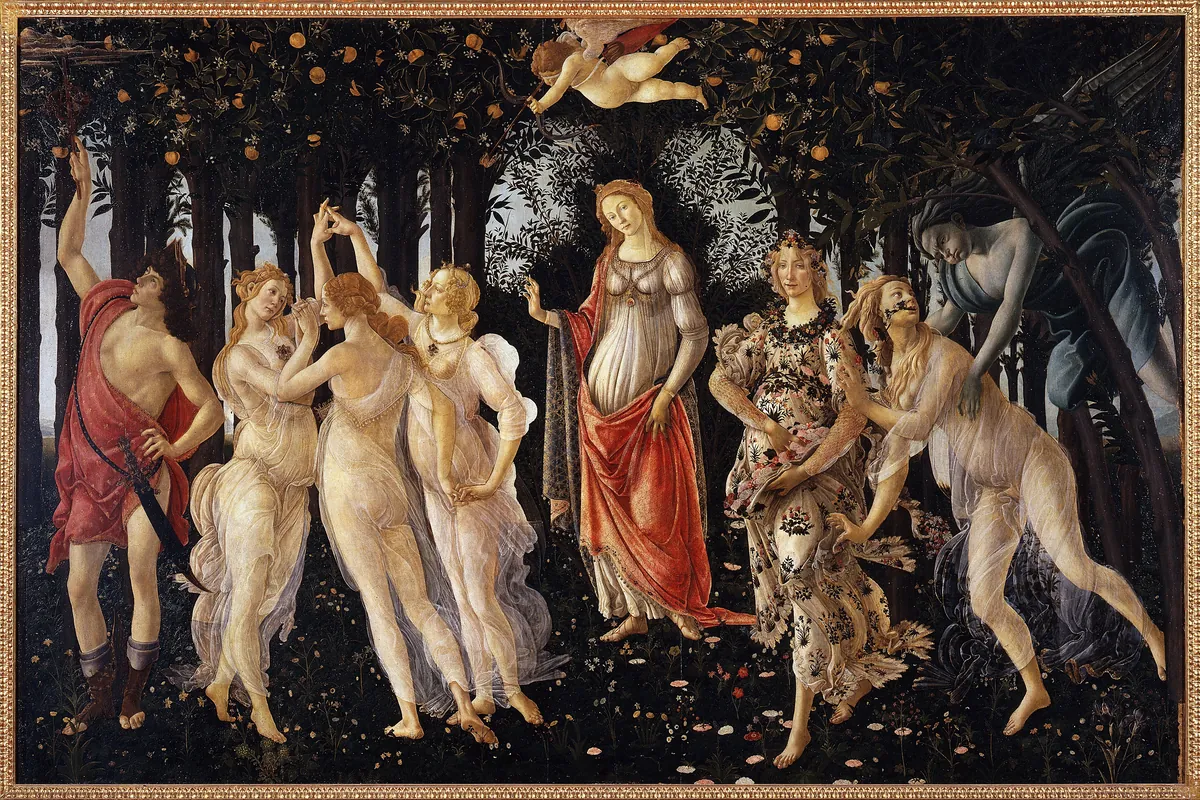
Spring offers birds, streams and thunder, then a goatherd dozing by his dog, then dancing shepherds and nymphs. Summer opens in the languor of heat, with a cuckoo and a turtledove, then a North Wind storm and swarms of insects, ending with hail that flattens the crops. The Wikipedia article sets out each scene, and the sonnets are worth reading beside the music. No need to learn the scenes beforehand, though a minute with the poems makes the concert livelier.
Autumn and Winter
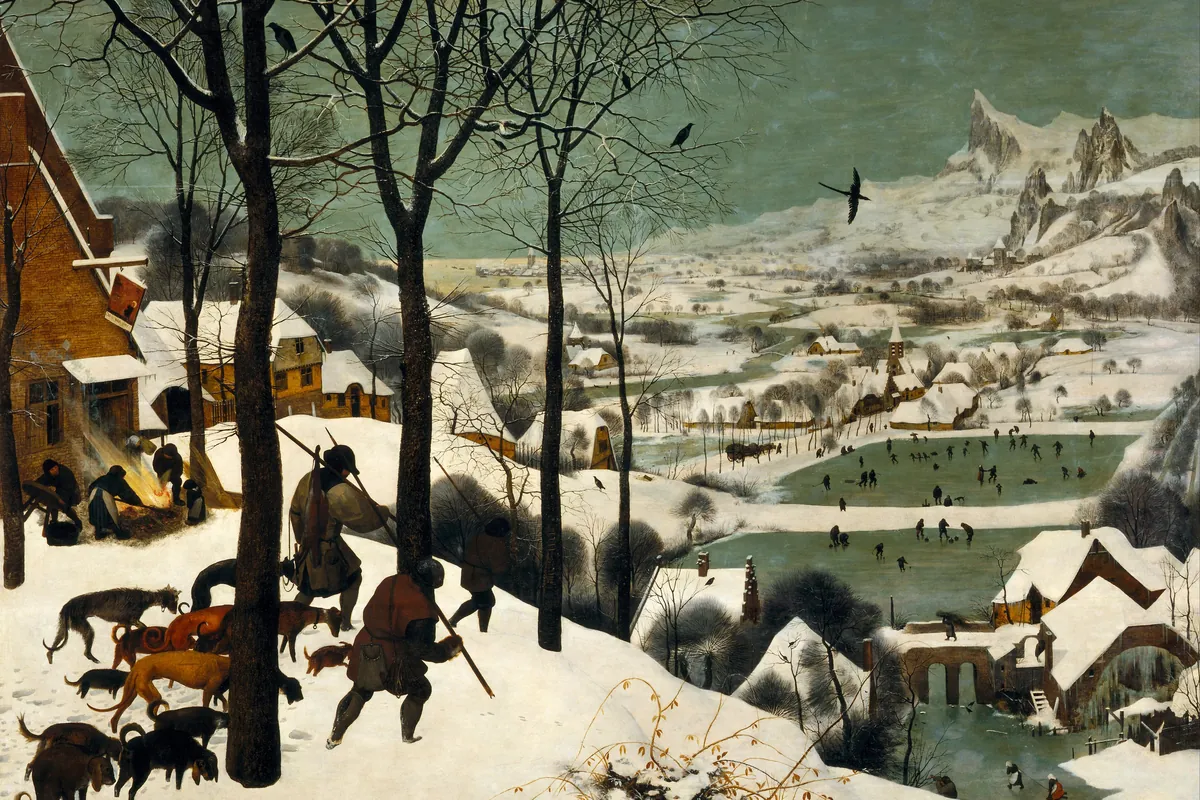
Autumn is a harvest festival with songs, dances and sleeping drunkards, then a dawn hunt with horns and dogs. Winter is the coldest picture: trembling in snow, stamping feet, a fireside while rain falls outside, and a careful walk on ice that ends in a slip. Bruegel’s painting here, of hunters in the snow, matches the mood. Reading about each season before you go helps, though the music is clear enough to follow without.
Why it was forgotten and found
The English Wikipedia says Vivaldi’s popularity faded after his death in 1741 and his published concertos were largely ignored. Manuscripts were rediscovered in the 20th century, including volumes found in a Piedmont monastery in 1926. A recording by Louis Kaufman made at Carnegie Hall in 1947 helped revive his music in Europe and America. It is a good reminder that a famous piece can have a long and uneven history before it becomes a staple.
What to listen for tonight
Listen for the soloist stepping out of the ensemble and then rejoining it. The English Wikipedia defines a violin concerto as a work for solo violin and an ensemble, a form that dates from the Baroque. Vivaldi wrote about 230 of them. At a live concert, watch the soloist as well as hear them, because the playing is physical. The sonnets and the score notes give you plenty to listen for even if you have never heard a note.
Sources